The Security Risks of End-of-Life IT Assets
The Security Risks of End-of-Life IT Assets
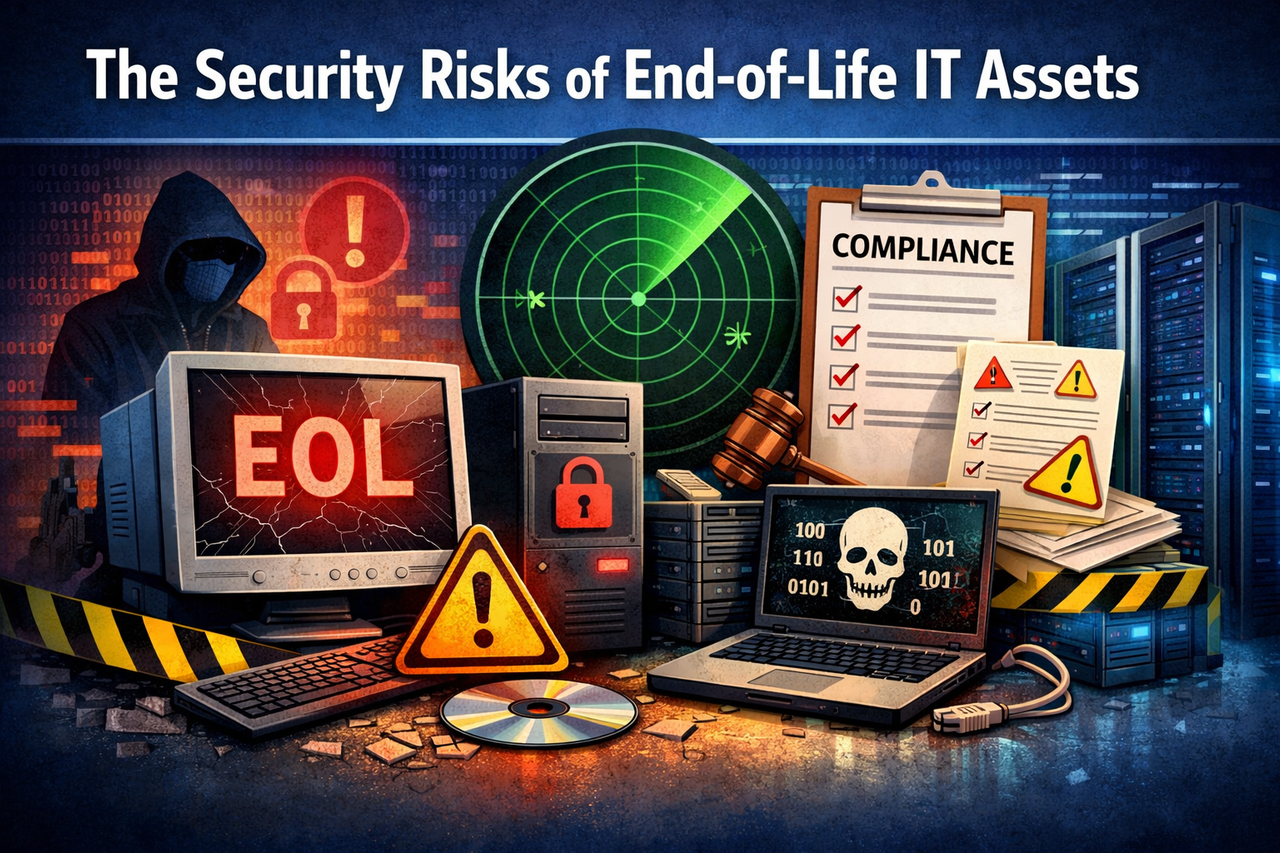
End-of-life (EOL) IT assets pose serious security and operational risks. Once vendor support ends, systems no longer receive security patches or updates, making them easy targets for cyberattacks. Many organizations unknowingly continue using EOL hardware and software, exposing sensitive data and critical systems.
Why End-of-Life Assets Are Dangerous
When IT assets reach their end-of-life stage, vendors discontinue:
- Security patches
- Bug fixes
- Technical support
- Performance updates
Without these critical updates, vulnerabilities remain unpatched, increasing the risk of data breaches, ransomware attacks, and system compromises. Cybercriminals often target unsupported systems specifically because they know weaknesses will not be resolved.
Compliance and Operational Risks
Unsupported assets also increase the likelihood of:
- Regulatory compliance violations
- Audit failures
- Operational disruptions
- Unexpected downtime
Organizations operating in regulated industries face even greater risks, as outdated systems may fail to meet evolving compliance standards. This can result in financial penalties, reputational damage, and legal consequences.
The Importance of Proactive Lifecycle Management
Proactively managing IT asset lifecycles is essential to maintaining a secure and resilient infrastructure. Identifying EOL assets before they become a threat allows organizations to:
- Plan timely upgrades
- Budget for replacements
- Implement secure decommissioning processes
- Reduce overall vulnerability exposure
LifecycleRadar identifies EOL assets in advance, enabling organizations to take action before risks escalate. By providing visibility into asset lifecycles, it helps IT teams make informed, strategic decisions.
Stay Ahead of Security Risks
Outdated assets should never become a liability. With proper lifecycle oversight and proactive planning, organizations can significantly reduce vulnerabilities and maintain a secure IT environment.
LifecycleRadar empowers organizations to stay ahead of risks, ensuring outdated assets do not compromise security, compliance, or operational stability.